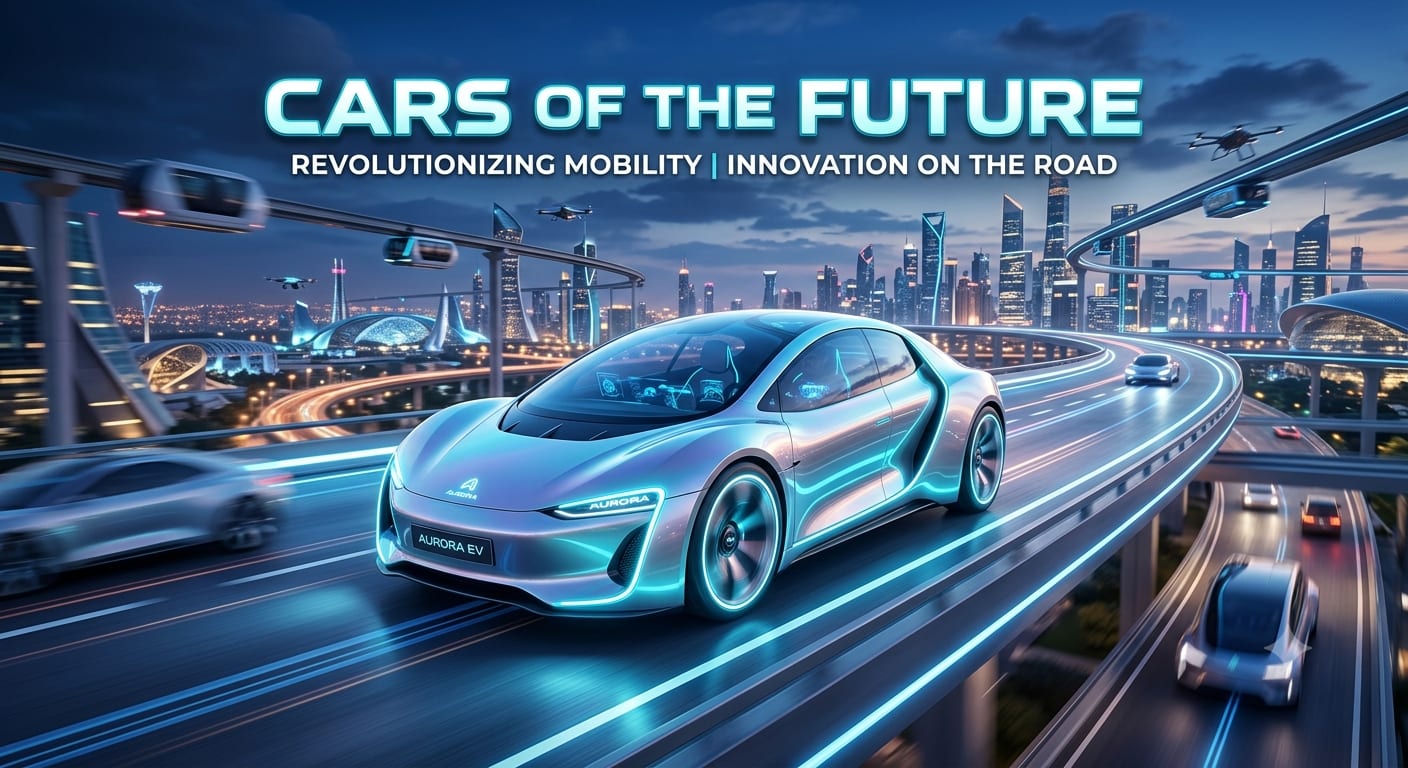
European Research Studies Journal Volume XXVII, Special Issue 4, 2024
pp. 1128-1144
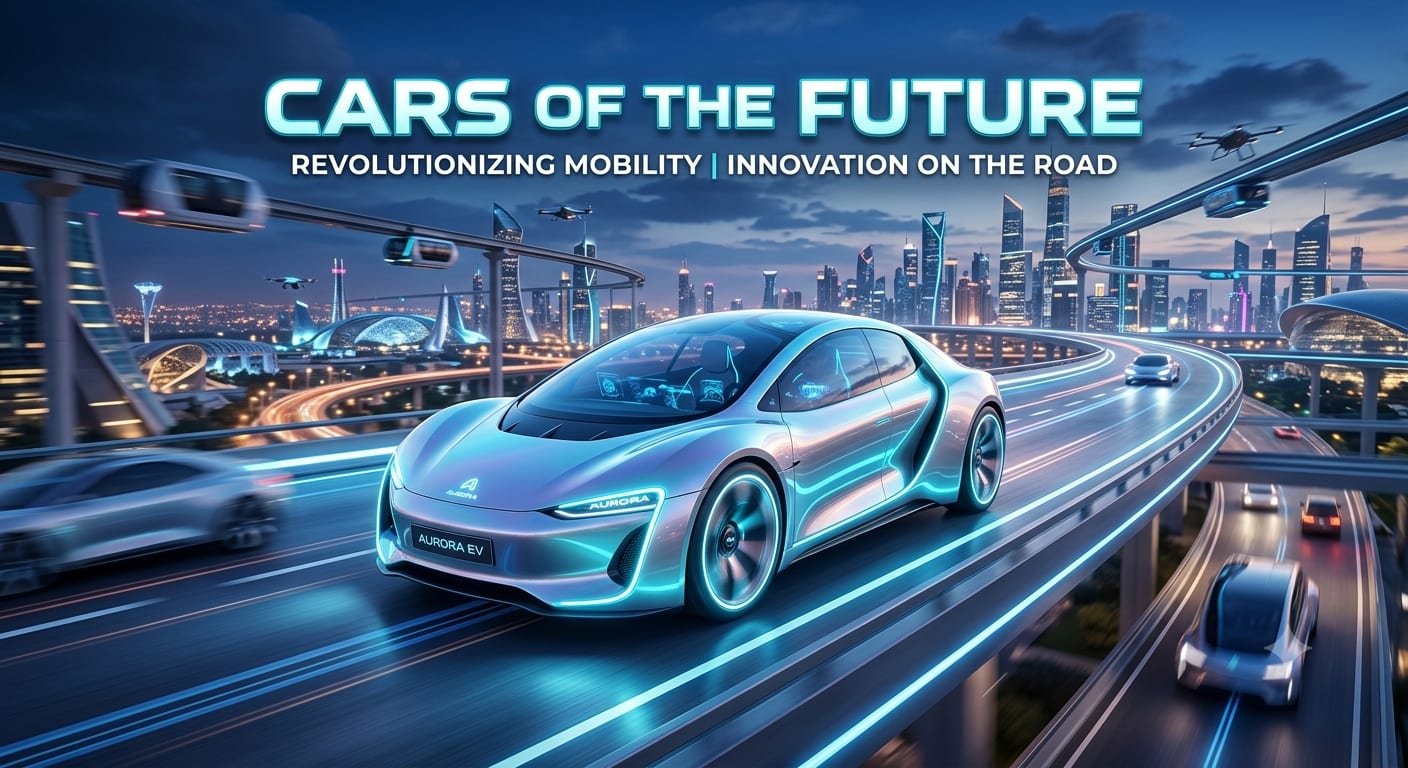
Cars of the Future - Development Prospects
Submitted 08/09/24, 1st revision 20/10/24, 2nd revision 06/11/24, accepted 30/12/24
Bartosz Zakrzewski1, Barbara Czerniachowicz2
Abstract:
Purpose: The main goal of the scientific paper is to analyse and synthesize trends, advancements, and forecasts in automotive design and technology over the next 30 years, focusing on the transition to electric, hydrogen-powered, and autonomous vehicles while addressing sustainability and infrastructure development.
Methodology: The basis for the analysis and synthesis of the conclusions presented in the article was statistical information collected from available sources and reports, as well as the reflections based on research conducted, among others, at the Motor Transport Institute in Warsaw. The basic research methods are synthesis, analysis, and inference. Available source materials from Polish and international statistical and ministerial institutions and specialist transport journals were analysed.
Findings: Cars of the future will soon combine advanced technologies, including solutions from space technologies. Ecological drive and comfort of use. There will be electrification of shows, kore will dominate thanks to the development of large-capacity batteries, short charging times and increased availability of charging stations. In commercial vehicles, hydrogen fuel cell vehicles will gain popularity. Autonomous systems using artificial intelligence will also be added to this.
Practical Implications: Practical implications: Many detailed threads have only been mentioned and await further development. The Motor Transport Institute in Warsaw is a leading research center in Poland whose research and suggestions are taken into account by global and European automotive concerns.
Originality/Value: A synthetic study illustrating the cars of the future in the coming 30 years was found to be lacking. The paper analyses the development of automotive design, covering forecasts for the development of car transport worldwide and its prospects in the coming years.
Keywords: Civil engineering, transportation, road transport, road infrastructure, economics, management, forecasts, automotive construction, automation, electrification, connectivity and artificial intelligence, sustainability, vertical take-off and landing vehicles
JEL Classification: L62, L9, O18, O33.
Paper Type: Research article.
1Bartosz Zakrzewski, Ph.D., Motor Transport Institute, Warszawa, Poland, e-mail: [email protected];
2Barbara Czerniachowicz, Institute of Management, University of Szczecin, Szczecin, Poland, e-mail: [email protected];
Acknowledgement: The project is co-financed by AV-PL-ROAD Polska droga do automatyzacji transport drogowego” project, funded by the National Centre for Research and Development (Contract No. 1/388495/26 / NCBR / 2019 and by the Ministry of Science under the “Regional Excellence Initiative” Program.
Introduction
For more than 120 years, the design and construction of both passenger and commercial vehicles has been developing rapidly. In doing so, car transport researchers are trying to predict and forecast what future car transport will look like, what will the cars of the future look like, will they be safer, faster, more comfortable?
The article results of research at the Motor Transport Institute in Warsaw and the research conducted by the authors on car transport in the years 2004-2024 (AV-PL-ROAD, 2021). It concerns a large part of the world economy, motor vehicle transport. Much work on the development of vehicle design including transport automation and intelligent transport systems has been produced by the Motor Transport Institute, which is one of the forerunners of research and projects to improve the European transport system (Zakrzewski and Szopik-Depczyńska, 2022).
MTI is currently researching the economic situation in road transport and vehicle autonomy on transport development. However, a gap was identified in the studies - the lack of a synthetic study illustrating future cars. The article analyses the development of passenger car designs and solutions over the last ten years (2014-2024), and trends in the development of car transport in the near future.
Considering the development of automotive transport worldwide between 2004 and 2024, we argue that by 2050, modern autonomous cars in developed countries (North America, Europe, China, Japan, South Korea, Oceania) will dominate the motor vehicle fleet and this is a permanent trend that will be very difficult to change in the current development model of human civilization.
The main goal of the paper is to analyse and synthesize trends, advancements, and forecasts in automotive design and technology over the next 30 years, focusing on the transition to electric, hydrogen-powered, and autonomous vehicles while addressing sustainability and infrastructure development (Albatayneh, Juaidi, Jaradat, Manzano-Agugliaro, 2023).
Vehicle construction worldwide has been developing steadily, and importantly dynamically, over the last 20 years. This is particularly evident in the field of automation and hydrogenation of the automotive fleet. However, there has been a lack of reliable and synthetic analysis, forecasts, and prospects for its development
over the next 30 years. The authors decided to take advantage of this research gap and analyze the latest automotive designs and trends in this scientific paper. The structure of this material is one large chapter consisting of eight subchapters on electrification of the vehicle fleet, autonomy, artificial intelligence in the application of transport systems, sustainability of the vehicle fleet of the future, design and functionality of motor vehicles, alternative drives and, finally, driving safety. It concludes with appropriate conclusions and proposals.
The analyses presented in this article are based on literature and data analytical studies Statistical information collected from available sources and reports (Geng R.,). The basic research method is synthesis, analysis, inference and forecasting. Available source materials from worldwide statistical and research institutions were analysed. Literature, including transport trade journals, was also analysed.
This publication is based on analyses carried out as part of the AV-PL-ROAD Polska droga do automatyzacji transportu drogowego project, funded by the National Centre for Research and Development (Contract No. 1/388495/26 / NCBR
/ 2019) (AV-PL-ROAD, 2021).
Cars of the Future - Trend Overview
Cars have been changing the way we move for over a hundred years. The same will be true of cars that will appear in production and use in the near future. The characteristics of the modern car fleet can be divided into several key categories, which for over 70 years have been studied and analyzed in detail at the Motor Transport Institute, where one of the authors of this study comes from.
The first important element in the development of the cars of the future is the electrification of the car fleet. Fully electric vehicles (EVs) will become dominant in numbers over the next 20 years, especially in developed countries, reducing harmful emissions. Thanks to advances in battery technology, cars will increase their range and charge faster. In addition, the vehicle fleet will use renewable energy: The vehicles can be equipped with solar panels to power auxiliary systems.
The second element of the development of cars of the future will be their autonomy (Zakrzewski and Szopik-Depczyńska, 2022). Level 5 autonomous cars (full driverless driving) in convenient places with appropriate infrastructure will become a standard. They will use advanced radar systems, lidars, and artificial intelligence to ensure safety. In addition, instead of owning a car, people will use autonomous vehicles on demand (car sharing).
The third element of the analysis of the development of the cars of the future is connectivity and artificial intelligence. The cars will be fully connected to the Internet, which will enable communication between vehicles and with the road
infrastructure. AI will adjust the interior, route and entertainment settings to the driver's preferences or, in the absence of one, to the passengers' preferences.
The fourth element in the development of the cars of the future is their sustainability. Increasingly, the vehicles of the future will be built from green, lightweight and renewable materials such as carbon fibres or bioplastics. In addition, battery recycling will be extremely important. Modern technologies will allow for effective recovery of materials from the batteries in use (Yang, Huang, and Lin, 2022).
The fifth element in the development of the cars of the future will be their changing design and functionality. Engineers develop new concepts for car interiors. Automated driving and no need to drive will allow you to transform the interior of your car into a space for work, relaxation or entertainment. Vehicles will be created that will change their configuration depending on the needs – e.g. from a passenger car to a delivery van and vice versa.
The new cars will use alternative drives. Prefabricated petroleum elements are slowly becoming a thing of the future. Hydrogen combustion technologies will be widely used (Halder and Babaie, 2024). Hydrogen fuel cell vehicles (FCEVs) will provide an alternative to electric vehicles, especially in heavy transport.
There will also be new synthetic fuels. The development of CO₂-neutral fuels will extend the life of combustion engines to a limited extent.
Active and passive safety will be an extremely important seventh element in the development of cars of the future (Geng, 2003). The vehicles of the future will feature advanced driver assistance systems using enhanced technologies such as automatic emergency braking, pedestrian detection and driver fatigue monitoring. These systems will predict potential hazards on the road, based on data obtained via network from other vehicles and infrastructure.
The new vehicles will also force completely futuristic solutions known so far only from science-fiction movies and literature. There will be the possibility of creating flying cars. They are currently only in the concept phase, but vertical take-off and landing vehicles will help revolutionise transport in congested cities.
Another form of travel could be the so-called hyperloop and its integration with other modes and forms of transport: The cars of the future could be part of more integrated transport systems.
Electrification of the Car Fleet
Over the next 30 years, the electrification of cars and trucks will continue rapidly. However, the technologies for building electric drives will change, and there will be
a further evolution of legal regulations in this matter and the development of road infrastructure that will adapt to autonomous vehicles.
Economic issues will be important in this aspect. To conquer the market of electric vehicles, they will have to be cheaper. As technological changes progress, the production costs of lithium-ion batteries themselves will decrease, thanks to improvements in technology and their production on a larger scale. Over the next 15 years, electric vehicles will become cheaper than internal combustion vehicles in many segments. The Chinese market is an example.
In order to win the competition with combustion cars, it will also be necessary to increase the range of electric vehicles (Li, 2024). Thanks to new technologies for the construction and production of batteries (accumulators), the range of electric vehicles will increase in real terms by 600-1000 km on a single charge. Nowadays (on average), depending on driving conditions, it is about 300-400 km, so vehicles are only used to move around the city or for short distances. Electrification will include not only compact and premium cars, but also SUVs, small city cars and pickup trucks (Liu, Dai, Rodgers, and Guensler, 2022).
In order to adapt to the changing reality regarding the traffic of electric vehicles, legal regulations will be modernized. By 2035, a ban on the sale of internal combustion vehicles will come into force in many more developed countries (m.in. the European Union, the USA, China). This will accelerate the transformation of the market.
In order to change the structure of the car fleet, the governments of many countries are already introducing financial incentives and subsidies for the purchase of electric vehicles, tax reliefs and privileges for electric drivers (e.g., free parking or access to bus lanes). This trend will increase.
In order for electric cars to be on the roads, it will also be necessary to develop road infrastructure, including charging infrastructure. It will include ultra-fast chargers. By 2050, 350 kW+ chargers will become commonplace, allowing you to charge your car in 10-15 minutes.
The number of charging installations in homes, garages and office car parks will increase, including vehicle-to-grid (V2G) systems that enable EV energy to be fed back into the grid. Electric car charging will be supported by the development of renewable energy sources, which will reduce the carbon footprint of electric cars.
The cars of the future will use so-called assistive technologies. One of them is the so-called autonomous driving. Electric autonomous cars will become more popular, especially in the area of ride-sharing services.
New, more efficient types of batteries will be created. Nowadays, work is underway on batteries with higher energy density, shorter charging time and longer life (solid-state, graphene batteries, organic batteries).
Over the next 30 years, the used vehicle market will undergo a rapid transformation. With the introduction of bans and restrictions, older combustion cars will lose their value. If they are cheaper, they may be more likely to be bought by customers, which is why governments are introducing regulations (laws) that discourage the use of such cheaper, but more environmentally harmful vehicles.
With the increase in the fleet of electric cars, the secondary market for used electric cars will develop, and manufacturers will start offering certified battery buy-back and renewal programs.
We predict that China as a country and a huge market will drive the global electric car market thanks to mass production and dominance in the battery sector. The largest number of electric cars is sold in China, where 58% of EVs in the world are produced. In 2021, 1.3 million electric cars were sold in China, and a year later already 6.8 million – more than a third of all EVs sold in the world. The role of Germany and the European Union in this case will decrease.
The European Union will become one of the largest markets for electric cars, supported by strict CO₂ regulations. In developing countries (Asia, Africa, South America), the transition will be slower, but thanks to government support programs, it will continue.
Most autonomous cars will run on electricity or hydrogen, which will minimize their environmental impact (Hassan, Azzawi, Sameen, and Salman, 2023). Integrated solar panels and energy recovery systems will increase their efficiency.
Over the next 30 years, the electrification of passenger transport will become the norm. Thanks to technological advances, regulatory support and infrastructure development, electric cars will displace combustion cars in most regions of the world, which will contribute to reducing emissions and improving the quality of life.
Autonomy
Autonomous cars will undergo a significant evolution in the next 30 years. They will be fully automated (level 5 autonomy). Fully autonomous vehicles that do not require a driver or steering wheel will become the norm. The vehicles will be able to move in all road and weather conditions, without the need for human intervention (Szymczak, 2013).
Cars will be personalized just like today's smartphones. In addition, they will use advanced AI systems that will learn users' preferences, such as favorite routes, cabin
temperature, or favorite music. It will be possible to personalize the travel experience based on the emotions of passengers, e.g., choosing a quiet route when the passenger is tired.
Travel safety will increase. Thanks to the connected communication systems (V2V and V2X - Vehicle-to-Vehicle and Vehicle-to-Everything), cars will be able to communicate with other vehicles and with the modernized road infrastructure. Prevention systems will drastically reduce the number of road accidents.
The interiors of the cars of the future will be adapted to various functions: a mobile office, a living room, a meeting place or a relaxation space. Without the need for traditional driver's seats, it will open up new possibilities for interior design.
Autonomous taxis will become popular, which will reduce the need to have your own car. Subscription models and vehicle sharing will become commonplace. Autonomous cars will integrate with the so-called smart cities (Saleem et al., 2024), which will allow for better traffic management, reduction of traffic jams and increase the efficiency of public transport.
However, autonomous technologies will require addressing issues related to ethical decisions (e.g., how a car should respond in the event of an unavoidable accident). The development of autonomy will force the development of new legal regulations that will determine responsibility for possible problems.
The cars of the future will be equipped with advanced sensors (LiDAR, radar, cameras) and connected to cloud computing, which will allow for the analysis of huge amounts of data in real time. The development of the 6G network will accelerate communication between vehicles and systems.
Self-driving cars will make transport cheaper, allowing more people to enjoy mobility. In short, self-driving cars will change not only the way we travel, but also the shape of cities, the labour market and our daily lives. We predict that by 2050 they could become a key element of the global transport system.
Artificial Intelligence (AI)
The use of artificial intelligence (AI) in cars will evolve and expand into various areas over the next 30 years. AI will control vehicles fully autonomously, without the need for human intervention, even in complex road and weather conditions. AI systems will process data from cameras, LiDAR, radar and other sensors to identify threats and make decisions in fractions of a second. AI will dynamically determine the best routes, taking into account traffic jams, weather conditions or traffic incidents. AI cars will remember users' favorite settings (temperature, music, seat position) and automatically adjust them (Katiyar, 2024).
Built-in AI systems (e.g., similar to Siri or ChatGPT) will enable voice interaction, allowing you to issue commands such as "Find the nearest charging station", "Find a parking space" or "Book a table at a restaurant". In addition, AI will enable health tracking and monitoring of driver/passenger health parameters (e.g., stress level, heart rate) and respond accordingly.
AI will analyze the behavior of other drivers and pedestrians to predict potential collisions and take preventive action. AI systems will detect fatigue or lack of concentration and suggest a break. The car will stop on its own or change its course in an emergency. As part of the web-based system, AI will manage the exchange of data between the vehicle and the city infrastructure (lights, signals) and other vehicles. The cooperation of AI in cars with urban traffic management systems will reduce traffic jams and improve the flow of transport.
The development of the autonomous vehicle system will enable the development of transport services, such as robotic taxis or buses. Large companies managing large fleets (e.g., Uber, Amazon, etc.) will use AI to optimize routes, reduce costs, and maintain vehicles. AI will also monitor the vehicle's technical condition, predicting breakdowns before they occur, which will reduce repair costs. In addition, AI will manage updates to the systems of a given car, introducing new functionalities and improvements. AI will also optimize fuel or electricity consumption in real time. Electric vehicles with AI will work with smart grids to charge at the most favorable times (e.g., when energy prices are low, at night, etc.).
AI will be able to make decisions in ethically difficult situations, e.g. in the event of an unavoidable accident, choosing solutions that minimize the risk to all road users. However, this will require changes in the law, i.e. appropriate legislation that will sanction such actions. During the ride, AI will provide passengers with access to entertainment content tailored to their preferences, such as movies or games.
Information about the surroundings of the vehicle, passing buildings or the course of driving will be displayed on the car window in real time. Artificial intelligence will play a role in the design of modern cars. AI will help design more aerodynamic, safe and efficient cars. AI will speed up the process of testing new vehicles thanks to advanced computer simulations (Katiyar N. 2024).
AI will be a key part of the transformation of the automotive industry, making transport safer, more sustainable, and more convenient. This technology will evolve alongside innovations in sensors, connectivity and infrastructure. By 2050, AI-equipped cars could become the primary mode of transport in the cities of the future.
Sustainable Development
Sustainable transport will have a key impact on the cars of the future, shaping both their technology and the way they are used. Most of the cars of the future will be
powered by electricity from renewable sources such as solar, wind or hydroelectric energy. Fuel cell vehicles will provide an alternative to electric cars, especially for heavy vehicles and long-distance transport.
Sustainability will accelerate the development of more effective, long-lived and easily recyclable batteries, such as lithium iron phosphate batteries (Yang, Huang, and Lin, 2022). The cars of the future will be designed to minimise air resistance and increase energy efficiency. Recuperation (energy recovery) systems will be more advanced, allowing the use of kinetic energy during braking. Electric vehicles will be able to act as energy storage for smart grids, helping to stabilize energy systems.
Future cars will be designed to be easier to recycle to reduce waste. The materials used to build the vehicles, such as aluminium, carbon fibre or biomaterials, will come from recycled or sustainable sources. The drive to introduce zero-CO₂ vehicle fleets will become the standard in cities around the world.
Owning a car may become (we do not prejudge it) less popular thanks to car sharing services. This will reduce the number of cars on the road and the emissions associated with their production. Sustainability will encourage the use of autonomous taxis, which will be more efficient and available on demand. Multimodal transport will develop: the cars of the future will be part of integrated transport systems, including bicycles, scooters, trains and buses.
Currently and in the future, we see a trend for the development of public transport: Cities can limit the traffic of individual cars in city centers, promoting public transport and ecological means of transport. High-emission cars will not be allowed to enter city centers, accelerating the adoption of electric vehicles.
Sustainable development will force the design of vehicles that are more friendly to the elderly, the disabled, and the inhabitants of rural areas. With vehicle sharing and better technologies, transport will become more affordable for more people. Electric motors will significantly reduce noise in cities.
Reducing pollutant emissions will improve the health of residents of cities and roadside areas. To accelerate the transformation, governments and international organizations will introduce regulations (so-called environmental policies), such as bans on the sale of combustion cars. Subsidies and tax reliefs: Programs supporting the purchase of electric vehicles or the development of charging infrastructure will accelerate the uptake of green solutions.
The sustainable development of transport will affect the future cars, making them greener, more efficient and adapted to global environmental challenges. It will also transform our approach to mobility, focusing on sharing, smart technologies and harmonious integration with nature.
Design and Functionality
In the future, the appearance and functionality of passenger cars will undergo significant changes due to technological advances, sustainability requirements and changing user needs.
Future cars will have a more streamlined shape and a simplified design to reduce air resistance and improve energy efficiency. Their construction will include integrated elements such as solar panels, cameras instead of side mirrors and invisible sensors built into the body for better aesthetics and functionality. Cars will have smart coatings that change color or transparency as needed (e.g., reducing interior heating). Glass coatings (windows) of cars can act as interactive screens, showing information about the route, surroundings or multimedia.
Fully autonomous cars (level 5) will not require traditional controls, which will free up interior space. The seats will swivel, slide and fold, allowing the interior to be adapted to various uses, such as work, rest or shared meals. The vehicles will serve as mobile offices, living rooms or places to relax thanks to high-speed internet, multimedia systems and comfortable seats. Integrated audiovisual systems will allow passengers to watch movies, play games or even take virtual journeys while driving.
Car interiors will be made from recycled materials or renewable sources such as bamboo, recycled plastic or organic textiles. The use of carbon fibres, aluminium and composites will make the vehicles lighter, which will improve energy efficiency.
The batteries will become part of the car's structure, e.g., built into the floor, which will increase the interior space and improve the stability of the vehicle (Yang, Huang, and Lin, 2022). Cars will automatically dock with charging stations or charge inductively when driving on special roads.
The cars will exchange data with traffic lights, other vehicles and urban infrastructure, allowing for better traffic management and increased safety. The vehicles of the future will find a free parking space on their own and park without the driver's intervention.
Electric motors, advanced sound insulation and active noise reduction systems will make car interiors extremely quiet (Albatayneh, Juaidi, Jaradat, Manzano-Agugliaro, 2023). Seats equipped with massage and vibration reduction functions will provide greater comfort during long journeys.
The AI will adjust the temperature, lighting, music, and other parameters of the interior based on the user's previous choices. The vehicles will talk to the user, provide information about the route, remind about tasks or offer suggestions for
driving. Developed technologies such as collision avoidance, blind spot monitoring and automatic braking will become standard.
Instead of buying cars, people will use car-sharing services, which will reduce the need for their own cars. The vehicles will be owned by companies and will be available as subscriptions or short-term rentals.
As a result, the cars of the future will be more integrated into our lives, offering comfort, personalization and sustainable technology. These changes will not only improve the user experience, but will also affect the way we think about mobility and the environment.
Alternative Drives
A radical solution to the problem of clean air is the use of electric propulsion in cars. Vehicles powered by conventional electricity sources use electric motors with an electronic control system. Elements and components that load the vehicle, such as the gearbox, internal combustion engine, clutch, differential, radiator, starter, dampening exhaust pipe have become unnecessary.
Fuel cell vehicles (FCEVs) emit only water vapour, making them an attractive alternative to internal combustion and even electric vehicles. Hydrogen cars offer a range comparable to internal combustion vehicles, and refueling takes only a few minutes, which is their advantage over electric cars (Kao, 2024). The use of advanced materials and nanotechnology will improve the efficiency of converting hydrogen into electricity and increase its efficiency. The development of technologies that enable the recovery of key raw materials from fuel cells will contribute to the recyclability of fuel cells.
The key in this case is infrastructural development, i.e. the development of a network of hydrogen refuelling stations. Governments and private companies will invest in the construction of these stations, especially in Europe, Japan, South Korea and the USA.
It will be crucial to develop a technology for the production of so-called "green hydrogen" using electrolysis powered by renewable energy (e.g., wind or solar energy). Infrastructure for storing and transporting hydrogen (e.g., pipelines, tankers) will become more advanced and efficient (Soleimani, Hosseini Dolatabadi, Heidari, et al. 2024).
Hydrogen cars will be used mainly in segments where electric vehicles have limitations, such as long-distance transport, trucks, buses or large SUVs. Hydrogen and batteries can coexist as different solutions for different needs (e.g., hydrogen for long ranges, batteries for short ranges) (Yang, Huang, and Lin, 2022). As we have already mentioned, governments will support the development of hydrogen
technologies by offering tax breaks, subsidies for manufacturers and subsidies for hydrogen car users.
Ambitious CO₂ emission reduction targets (e.g., climate neutrality by 2050) will force an acceleration of investments in hydrogen as a clean fuel. Hydrogen vehicles will develop especially in countries with a well-developed hydrogen infrastructure, such as Japan and Germany. Hydrogen buses and trains (e.g., Alstom Coradia iLint) will become more common in regions where electrification of rail or bus traction is expensive. Hydrogen-powered trucks (e.g., from Hyundai or Toyota) will be used in long-distance transport, where fast refueling and long range are important.
Mass production of fuel cells and hydrogen vehicles will reduce their costs, making them more competitive with electric and internal combustion cars. Advances in electrolysis and a decrease in the cost of renewable energy will make 'green hydrogen' more affordable.
The main challenges in the production of hydrogen cars, however, are their high upfront costs: Currently, hydrogen production and infrastructure are expensive, which limits the availability of this technology. Hydrogen production (especially from natural gas) requires significant amounts of energy, which can undermine its environmental performance if the energy comes from fossil fuels. Hydrogen, while safe under well-controlled conditions, requires special storage technologies due to its high flammability.
By 2050, hydrogen has a chance to become one of the key fuels in truck and commercial transport, while in the passenger sector it will compete with electric cars. With the right investments and regulations, hydrogen technology will contribute to a significant reduction in greenhouse gas emissions. Countries with hydrogen ambitions, such as Japan, Germany, South Korea and China, will become leaders in this field by developing networks of hydrogen stations and supporting research.
Hydrogen-powered cars will develop as one of the key technologies of the future, especially in areas where electric vehicles have limitations. While the technology faces many challenges, technological advances, infrastructure development and government support will make hydrogen an important part of the global energy and transport transition.
Driving Safety
The safety of road transport in developed countries (North America, Europe, part of Asia) will significantly improve over the next 30 years thanks to the development of technologies for the production and use of cars of the future and thanks to changes in road infrastructure.
Fully autonomous vehicles (Level 5) will minimize the risk of driver error, which is currently the main cause of accidents. AI in vehicles will make decisions in fractions of a second, anticipating and avoiding potential threats. Camera, radar and LiDAR-based systems will analyse the vehicle's surroundings in real time to detect obstacles, pedestrians and other vehicles. Cars will anticipate situations, such as sudden braking of other vehicles or pedestrian intrusion into the road, and react accordingly. Automatic functions such as lane keeping and emergency braking will become standard.
Cars will exchange data on speed, location and manoeuvres as part of the online road system, which will help avoid collisions and improve traffic on the roads. Vehicles will communicate with intelligent road infrastructure (e.g., traffic lights), which will increase traffic flow and reduce the risk of accidents. Extended communication will also extend to pedestrians and cyclists thanks to smart personal devices (Osinska and Zalewski, 2020).
AI will monitor the level of fatigue, distraction or alcohol use by the driver, suggesting a break or turning on the autonomous driving mode. AI will improve its operations based on experience, which will allow for even more effective accident avoidance.
The road infrastructure will be equipped with sensors monitoring traffic, weather conditions and road conditions, which will provide information to vehicles in real time. The basis for the operation of an autonomous vehicle is adaptation to road regulations. When moving, the autonomous car relies on signals/information from the infrastructure contained in the navigation system and only compares it with the existing road condition.
The most important thing when sharing the same infrastructure will be communication between vehicles - the V2V (Vehicle-to-Vehicle) system (Szymczak, 2013). An intelligent car will be able to signal its passage through a selected intersection in a given direction. The infrastructure management system, receiving such messages, will adjust the traffic light cycle to the current demand, without the use of cameras or induction loops. Intelligent traffic control systems will thus reduce traffic jams and reduce the risk of collisions by optimising vehicle flow.
City authorities will introduce autonomous zones on part of their areas, in which only autonomous vehicles will be able to move, eliminating the risk associated with human error.
The safety systems will adapt the operation of the airbags to the type of collision and the position of the passenger at the time of impact. The design of the vehicles will be able to dynamically absorb the energy of an impact, minimizing injuries to passengers.
AI systems will monitor health and detect, for example, a heart attack in the driver, as well as autonomously stop the vehicle and can call for help. Standards will be introduced for AI decision-making in critical situations (e.g., unavoidable accidents).
As part of the care of the electric vehicle itself, the vehicles will be equipped with battery overheating prevention systems and advanced protection against mechanical damage (Yang, Huang, and Lin, 2022). Electric cars will be equipped with audible pedestrian warning systems, especially in urban areas.
Safety in public transport will be increased, where autonomous driving will eliminate risk factors such as driver fatigue. The data collected from autonomous vehicles will allow for better traffic planning (avoiding congestion) and avoiding risky situations.
The introduction of autonomous technologies will change the habits of drivers, who will trust safety systems more. Thanks to autonomy and advanced safety systems, the number of road accidents can be reduced by up to 90%. Improved driver and occupant protection technologies and the elimination of human error will significantly reduce fatalities (Yingcheng Zhou, 2024).
At the end of 2024, the market share of electric cars was 3.0% (2.7% in 2023), which gave Poland 29th place in Europe, out of 31 classified countries.
Table 1. New registrations of passenger cars in Poland by mode of propulsion [100 units]
|
Propulsion |
2023 |
2022 |
%change |
|
Gasoline |
198,1 |
200,8 |
-1 |
|
Diesel |
46,8 |
46 |
2 |
|
LPG i CNG/LNG |
12,5 |
12,2 |
2 |
|
Battery Electric Vehicle |
17,1 |
11,3 |
51 |
|
Plug-in Hybrids |
13,2 |
10,4 |
26 |
|
Hybrid |
187,3 |
139 |
34,7 |
|
Total |
475 |
419,7 |
13,2 |
Source: Automotive Industry Report 2024/2025.
In summary, smart zones and traffic management systems will reduce the risk of collisions and accidents for the cars of the future in urban areas. The future of future trucking safety is a combination of technology, infrastructure and regulation that together will create a more reliable and predictable environment for all road users.
Conclusion
According to forecasts of Authors, global sales volumes of autonomous cars would reach 58 million units in 2030. (Level 3 and above). AV vehicles can today be found on the roads of San Francisco, Phoenix, Wuhan and Beijing.
The global fleet of electric cars is expected to grow from 64 million vehicles in 2024 to 85 million in 2025 (+33%). Of the projected 85 million electric vehicles on the road at the end of 2025, up to 73% will be all-electric versions (BEVs - Battery Electric Vehicles). Their number will increase by 35% relative to 2024, reaching almost 62 million units.
The article presents the general characteristics of trends in the development of passenger and heavy goods vehicles at the end of December 2024. Looking at the data presented, we would argue that future cars will continue to develop dynamically. For a few more years, the car fleet will continue to grow on systematically upgraded world roads. Transport automation will be conducted primarily in logistics and warehouse centers. In summary, the cars of the future will be eco-friendly, intelligent and user-oriented, changing the way we view mobility.
Technological change will not solve all problems related to congestion, transport emissions and road fatalities. What is needed here is proper management of the long transition phase and ensuring that the cars of the future, the automated vehicles, operate in an inclusive, low-emissions and overall efficient transport system. The links between vehicles and traffic management, between public and private data, between public and individual transport, and between all transport providers and modes must now be strengthened.
It is clear from the authors' analysis that the cars of the future will successfully win the competition with traditional transport not only in freight transport, but also, thanks to greater spatial accessibility, in passenger transport. The number of modern motor vehicles will grow rapidly. This will be followed by the modernisation and expansion of road infrastructure.
The insufficient and underdeveloped network of motorways and motorways, as well as their poor quality, will be an obstacle to the development of increasing mobility, which may lead to congestion on the roads, in cities (where there are no ring roads) and at the borders of countries, where there were (and still are in the eastern part of the EU) traffic jams lasting many hours.
We strongly believe that the objective of this article has been fully achieved. Nevertheless, we are aware that many detailed threads have only been mentioned and are waiting for further development.
Most important, however, is the decision by the Polish state to support the further development of the Polish automotive industry, which in the long term will produce the modern, automated cars of the future, which will contribute to greater safety: traveling, transporting cargo, reducing emissions of greenhouse gases.
References:
Albatayneh, A.M., Juaidi, A., Jaradat, M., Manzano-Agugliaro, F. 2023. Future of Electric and Hydrogen Cars and Trucks: An Overview. Energies, 16(7), 3230. DOI: 10.3390/en16073230.
AV-PL-ROAD Polska droga do automatyzacji transportu drogowego, Narodowe Centrum Badań i Rozwoju, Program Gospostrateg (realizowany w latach 2018-2021). In: https://www.its.waw.pl/11124,pl,av_pl_road.html.
Automotive Industry Report 2024/2025 Polish Automotive Industry Association 7 December 2024, PZPM, Warsaw 2024.
Geng, R. 2023. Modeling: The Future of the Car Industry, Highlights in Science, Engineering and Technology, Vol. 47, 267-273. DOI: 10.54097/hset.v47i.8221.
Halder, P., Babaie, M., Salek, F., Haque, N., Savage, R., Stevanovic, S., Bodisco, T. A., Zare,
A. 2024. Advancements in hydrogen production, storage, distribution and refuelling for a sustainable transport sector: Hydrogen fuel cell vehicles. International Journal of Hydrogen Energy, Volume 52, Part D, 973-1004. ISSN 0360-3199. https://doi.org/10.1016/j.ijhydene.2023.07.204.
Hassan, Q., Azzawi, I.D.J, Sameen, A.Z., Salman, H.M. 2023. Hydrogen Fuel Cell Vehicles: Opportunities and Challenges. Sustainability, 15(15), 11501. https://doi.org/10.3390/su151511501.
Home - AV-Poland Conference - https://avpoland.com/.
Kao, E. 2024. Hydrogen-Powered Vehicles: A Future or Just a Dream? Journal of Student Research, 13(2). https://doi.org/10.47611/jsrhs.v13i2.6761.
Katiyar, N. 2024. AI In Autonomous Vehicles: Opportunities, Challenges, and Regulatory ImplicationsEducational Administration: Theory and Practice, 30(4), 6255-6264. DOI:10.53555/kuey.v30i4.2373.
Li, Z. 2024. Luxury Electric Cars: A Comprehensive Analysis of Faraday Future Inc. Advances in Economics Management and Political Sciences 70(1), 92-97.
Liu, H., Dai, Z., Rodgers, M.O., Guensler, R. 2022. Equity issues associated with USplug-in electric vehicle income tax credits. Transportation Research Part D: Transport andEnvironment, 102, 103159. The Future of Electric Car Manufacturers: Challenges and Policies for Preservation. Available from: https://www.researchgate.net/publication/383692165_The_Future_of_Electric_Car_ Manufacturers_Challenges_and_Policies_for_Preservation.
Osinska, M., Zalewski, W. 2020. Determinants of Using Telematics Systems in Road Transport Companies, European Research Studies Journal, 23(2), 474-487. DOI: 10.35808/ersj/1604.
Saleem, M., et al. 2024. Secure and Transparent Mobility in Smart Cities: Revolutionizing AVNs to Predict Traffic Congestion Using MapReduce, Private Blockchain, and XAI. In: IEEE Access, vol. 12, 131541-131555. doi: 10.1109/ACCESS.2024.3458983.
Soleimani, A., Hosseini Dolatabadi, S., Heidari, M., et al. 2024. Progress in hydrogen fuel cell vehicles and up-and-coming technologies for eco-friendly transportation: an international assessment. Multiscale and Multidiscip. Model. Exp. and Des. 7, 3153-3172. https://doi.org/10.1007/s41939-024-00482-8.
Szymczak, M. 2013. W oczekiwaniu na autonomiczne samochody. Czy spełnią oczekiwania kierowców i jak wpłyną na miasta? Transport Miejski i Regionalny, nr 10.
Yang, Z., Huang, H., Lin, F. 2022. Sustainable electric vehicle batteries for a sustainable world: perspectives on battery cathodes, environment, supply chain, manufacturing,
lifecycle, and policy. Advanced Energy Materials. wiley.com. The Future of Electric Car Manufacturers: Challenges and Policies for Preservation. Available from: https://www.researchgate.net/publication/383692165_The_Future_of_Electric_Car_ Manufacturers_Challenges_and_Policies_for_Preservation.
Yingcheng Zhou. 2024. To what extent can driverless cars be widely used in the future and reduce the accident rate? Advances in Engineering Innovation 11(1), 41-48. DOI: 10.54254/2977-3903/11/2024101.
Zakrzewski, B., Szopik-Depczyńska, K. 2022. Changes in logistics processes caused by the implementation of automation in transport. European Research Studies Journal, 25(2B), 24-34.